Thursday, 7 December 2023

25 Smooth Signs You’re a Good Kisser, the Psychology & Big Mistakes to Avoid

Ever wondered about the signs of a good kisser? Here’s what makes one, the psychology behind a perfect kiss, and the big mistakes to watch out!

signs you're a good kisser

You’ve just shared what feels like a romantic kiss with your partner. As you pull away, their expression is inscrutable. Was it a look of blissful contentment or polite indifference? This moment of uncertainty sets off a trail of thoughts in your mind, “Am I even a good kisser?” “How to be a good kisser if I ain’t one?”

These are the questions that might not just pop up after your first kiss, but can sneak up on you in any relationship, at any time. Kissing, as you’ve likely experienced, is more than just a lip-lock.

It’s a form of silent dialogue, a tactile way of expressing what words often cannot. From a gentle peck to a passionate embrace, each kiss carries its own language and meaning.

Understanding and mastering this language is key to not only answering the burning question, “am I a good kisser?” but also to deepening the emotional bond you share with your partner.

[Read: 104 kissing tips and secrets to be a good kisser and make them want to eat your lips!]

The Psychology of a Good Kiss

Yes, believe it or not, there’s a whole world of psychology behind a good kiss!

When we talk about kissing, we’re not just discussing the physical aspects, there’s a whole cocktail of emotions and chemicals playing a part behind the scenes. Understanding this can be a key to unlocking the mystery of how to be a good kisser.

First up, let’s talk about dopamine and oxytocin – the ‘feel-good’ hormones. When you kiss someone you’re fond of, your brain releases these hormones, giving you feelings of pleasure and attachment. [Read: Chemistry of love: How hormones make you feel love the way you do]

Think of them as your body’s natural way of saying, “Hey, this is great, let’s do it more!” This chemical reaction is a big part of what makes kissing feel so enjoyable and can even deepen your bond with your partner.

Then there’s the concept of mirroring in psychology. It’s like a dance, where you intuitively match your partner’s movements and style. When you mirror your partner’s kissing style, it’s not just about physical compatibility, it’s about emotional synchrony too. [Read: How to make out: 22 secrets to leave anyone moaning in your arms]

It’s like saying, “I get you,” without uttering a single word. This subtle form of communication can significantly enhance your kissing experience and make your partner feel more connected to you.

Lastly, let’s not forget the importance of non-verbal cues. A tilt of the head, a gentle hand on the cheek, or even the way your partner’s eyes close – these small gestures speak volumes about your kissing compatibility.

They are the unsung heroes in the story of a good kiss. Reading and responding to these cues is crucial in understanding how to be a good kisser. It’s like a secret language that, when understood, can make your kisses go from just good to great. [Read: 59 tongue kissing secrets to french kiss and make anyone melt with your lips]

The Biggest Signs You’re a Good Kisser

Ever wonder how you can tell if you actually are a good kisser? It’s not just about mastering the physical act; it’s about understanding the subtle art that turns a simple kiss into something more. Here are some signs that can help you decode this:

1. Are You Tuning Into Your Partner’s Style?

Tuning into your partner’s style is essential. It’s like being a mind reader in the best way possible. You’re not just going through the motions, you’re really feeling their rhythm and adjusting yours to match.

It’s all about that give and take, which is a huge part of knowing how to be a good kisser. Think of it as a dance where both of you lead and follow, creating this beautiful harmony.

2. Are You Keeping Your Kisses Fresh and Exciting?

Who doesn’t love a bit of surprise in their kisses? Keeping things varied and creative is the secret to never having a dull moment.

It’s not about wild changes. Even little tweaks can add a whole new layer of excitement. Show your partner you’re really into making each kiss a unique experience – it’s a surefire way to keep the sparks flying.

3. Are You Connecting Emotionally Through Your Kisses?

Ever wonder if your kisses are just physical? The real magic happens when there’s an emotional connection. That’s when your kisses say more than words ever could.

You’re not just sharing a kiss but also a piece of your heart. This emotional depth transforms a simple act into a memorable, soul-touching moment.

4. Are You Paying Attention to Your Partner’s Feedback?

How much do you tune into your partner’s reactions? It’s super important to pick up on both what they’re saying and what they’re not saying.

Their smiles, sighs, or eagerness for more are like little clues telling you you’re on the right track. Good kissers aren’t just great at kissing; they’re great at listening and adapting to their partner’s needs.

5. Are You Mindful of the Right Moment for a Kiss?

Got the timing right? A good kisser knows that it’s not just about the kiss itself but also about choosing the perfect moment. [Read: 25 secrets to seduce before a kiss & turn a guy on while kissing him]

It’s about reading the emotional and social cues and matching the kiss to the mood. This kind of awareness makes a kiss not just a physical act, but an emotionally resonant one.

6. Is Your Body Language Open and Inviting During a Kiss?

Think about what your body is saying when you’re kissing. Open, inviting body language can make your partner feel more comfortable and connected.

It’s a non-verbal way of showing your affection and enhancing the bond you share. The way you embrace, touch, and hold each other can say so much more than words.

7. Are You Kissing with Gentleness and Respect?

Ever thought about how much your approach matters? Kissing with gentleness and respect is crucial. It’s about showing your partner they’re valued and cared for.

This kind of consideration sets the foundation for trust and deepens your connection, making each kiss a testament to your mutual respect. [Read: How to show respect in a relationship and love each other better]

8. Are You Attentive to Your Partner’s Needs and Comfort?

Paying attention to your partner’s needs and comfort during a kiss is crucial. It’s a sign of empathy and understanding.

Being sensitive to their preferences and comfort levels makes the kiss enjoyable for both of you. It’s about creating a space where both of you feel safe and valued.

9. Are You Fully Present in Your Kisses?

Being fully present during a kiss isn’t just about physical closeness, it’s a mental and emotional commitment.

When your mind wanders, it can turn an intimate moment into something forgettable. Psychologically, being present signifies your investment in the moment and in your partner, which is essential for a truly connective experience.

Emotionally investing in each kiss ensures that each moment is cherished and memorable.

10. Do You Know Your Own Kissing Style?

Understanding your own kissing style is a journey of self-awareness. It involves recognizing your preferences, strengths, and areas for growth.

Psychologists point out that self-awareness enhances interpersonal relationships by aligning your actions with your partner’s needs.

Adapting and evolving your kissing style in response to your partner’s feedback is a sign of emotional intelligence and a key factor in being a good kisser.

11. Can You Balance the Intensity of Your Kisses?

Managing the intensity of your kisses is like finding the right tempo in music. Each situation calls for a different level, and being attuned to this can make all the difference.

Psychological studies suggest that mirroring your partner’s intensity can enhance emotional synchrony. Striking that perfect balance in your kisses requires empathy and sensitivity, ensuring that both partners are comfortable and engaged. [Read: 29 sensual, romantic secrets to kiss someone passionately and deeply]

12. Are You Open to Communicating About Your Kissing?

How often do you actually talk about kissing with your partner? Open communication about your kissing preferences isn’t just about improvement, it’s about deepening your emotional connection.

Verbalizing your desires and preferences can strengthen the bond between partners. This open dialogue is crucial for a fulfilling kissing experience and a healthy relationship.

13. Do You Pay Attention to the Little Details in a Kiss?

Notice how the smallest gestures can elevate a kiss? The gentle way you hold their face, the soft look in your eyes before your lips meet – these are the details that add emotional depth to a kiss. [Read: The all-in woman’s guide to making eye contact with men]

Psychological research suggests that these subtle actions can significantly increase feelings of intimacy and affection. Paying attention to these details shows your partner that you value every aspect of the experience.

14. Are You Flexible and Open to Trying New Things?

Being open to trying new things in your kisses shows a willingness to grow and adapt. It’s about stepping out of your comfort zone and exploring what makes each kiss enjoyable.

This flexibility is a sign of an open and healthy approach to relationships. It keeps the excitement alive, ensuring that your kisses never become mundane or predictable.

15. Do You Move in Harmony With Your Partner?

Feeling in sync with your partner during a kiss is a beautiful experience. It’s like a dance where every move is intuitively matched. Harmony is not just physical but also psychological, reflecting a deep understanding and connection.

When you move in harmony with your partner, it shows a level of empathy and attunement that transcends the physical act of kissing.

16. Do You Consider the Entire Experience of a Kiss?

Have you considered that a kiss is part of a larger narrative? It’s about the build-up, the ambiance, and the moments that follow. [Read: 20 ways to build sexual tension with a girl & make her thirst for you]

The anticipation and aftermath of a kiss can be as impactful as the kiss itself. By focusing on the entire journey, you create a more fulfilling and emotionally rich experience that resonates well beyond the moment.

17. Do You Bring a Sense of Playfulness to Your Kisses?

A playful approach to kissing can add a whole new dimension to the experience. It’s about letting go of inhibitions and enjoying the moment.

From a psychological perspective, playfulness can relieve stress and strengthen emotional bonds. A playful kiss is a reminder that affection and intimacy can also be fun and lighthearted.

18. Do You Reflect on Your Kissing Experiences to Improve?

Reflecting on your kissing experiences is an excellent way to improve. Think about what has worked well and what could be better.

This kind of introspection is recommended in psychological practices as it helps in understanding personal preferences and improving interpersonal interactions. Each kiss is an opportunity to learn and grow, making you a more attentive and considerate partner.

The Common Kissing Pitfalls You Need to Avoid

When exploring the ways to be a good kisser, it’s just as important to be aware of what not to do. Avoiding these common pitfalls can significantly enhance your kissing experience and ensure that both you and your partner enjoy those intimate moments.

1. Overthinking

Overthinking can sabotage a potentially good kiss. When you’re too focused on getting everything perfect, you might end up losing the natural rhythm and spontaneity that make a kiss enjoyable.

This can lead to a mechanical and disconnected experience, as you’re more in your head than in the moment.

The key is to relax and let the kiss unfold naturally, allowing the emotional and physical connection to guide you rather than a checklist of ‘dos and don’ts’. [Read: 38 secrets to stop overthinking, what it looks like, signs & the fastest fixes]

2. Lack of Awareness

Hey, paying attention to your partner’s needs during a kiss is huge! It’s not just about what you want. If they seem to be pulling back or preferring a softer approach, go with that flow.

A big part of how to be a good kisser is about tuning into these little signals and respecting them. It’s like a two-way street, you know? Empathy is your best friend here, making sure both of you are having a good time.

3. Hygiene and Health

So, let’s talk breath and teeth – major deal breakers, right? Skipping on brushing or flossing can really put a damper on what could’ve been an amazing kiss.

Think of it this way: good oral hygiene is not just about health but also showing your partner you care enough to come fresh and clean to the party. It’s a basic but super important step in being a good kisser. [Read: 30 different types of kisses, what they mean and must-avoid smooch mistakes]

4. Rushing the Moment

Rushing into a kiss is like skipping the appetizer and jumping straight to the main course – you miss out on all that delicious anticipation!

The build-up, the eye contact, the slow lean-in – that’s where the magic starts. If you dive in too fast, you might miss the cue on whether your partner is really ready. Slow down and savor the moment. It makes the kiss so much more intense and connected.

5. Monotony

Ever heard someone say, “Ugh, it’s the same old kiss every time”? That’s what you want to avoid. Mixing it up keeps things exciting and shows your partner you’re really invested in making each kiss feel special. [Read: First kiss red flags: Bad signs & what you can learn from a bad kiss]

Experiment with different styles – soft, playful, passionate. Keep them guessing and delighted with your kissing game!

6. Neglecting the Surroundings

The place you choose to kiss can make or break the mood. Kissing in a crowded, noisy place? Not always the best choice.

Find somewhere comfy and private where you both can really relax into the kiss. The right setting can turn a simple kiss into a memorable one.

7. Misreading the Moment

Ever leaned in for a kiss and realized, “Oops, wrong timing”? It’s all about reading the room – or, well, your partner’s vibes.

Paying attention to their body language and words can tell you if they’re really into it. Consent is key; it makes sure you both are on the same page for a respectful and enjoyable kiss.

8. Too Much Intensity

A passionate kiss can be amazing, but there’s a fine line before it becomes too much. It’s like a dance – you want to match your partner’s moves, not step on their toes.

Too strong or forceful can be a turn-off. The trick is in finding that sweet spot where passion meets tenderness. [Read: First kiss tips: 29 secrets to make the first smooth irresistibly sexy and memorable]

9. Lack of Confidence

Feeling a bit unsure when you lean in for a kiss? That’s totally normal, but remember, confidence can really elevate your kissing game. [Read: Subtle body language moves to appear more confident]

It’s about embracing your style and being present in the moment. The more you practice and stay positive, the more natural and confident you’ll become. Own your kiss!

10. Forgetting to Follow-Up

Remember, the kiss isn’t over when your lips part. What you do right after – a smile, a warm hug, that lingering eye contact – that’s part of the experience.

It kind of seals the deal, leaving your partner with that “wow” feeling. It’s these little things that can make a good kiss a great one.

Tips to Improve Your Kissing Skills

Interested in stepping up your kissing game and figuring out how to be a good kisser? Kissing, like any other art form, can be improved with practice and understanding. Here are some essential tips to enhance your skills:

1. Practice Makes Perfect

So, you want to up your kissing game? Start with some good old practice. It’s not about locking lips with every person you meet, but more about being aware and in the moment with each kiss. [Read: First kiss tips: 29 secrets to make the first smooch sexy & irresistible]

Think about what felt right, what could be better, and stay open to learning and evolving. Each kiss is a new chapter in your story of becoming a great kisser.

2. The Art of Reading the Moment

Timing is everything, right? Getting the moment right for that perfect kiss is like catching a wave – it’s all about feeling the vibe.

Pay attention to your partner’s body language, those little glances, the subtle shifts in mood. A well-timed kiss, based on reading these signals, can make a world of difference, turning a simple smooch into something unforgettable.

3. Communication

Chat it out! Talking with your partner about what works for both of you is a game changer. It’s not just the words; watch their reactions during and after a kiss to really understand their likes and dislikes.

Good communication is like the secret sauce that can take your kisses from good to mind-blowing. [Read: 42 secrets to communicate better in a relationship & ways to fix a lack of it]

4. Experimentation

Don’t be shy to mix it up! Experimenting with different kissing styles is like adding spices to a dish – it brings out new flavors.

Be adventurous, try new things, but always keep an eye on how your partner is feeling. It’s about finding those sweet spots that you both enjoy.

5. Pay Attention to Hygiene

We already said it and we’re gonna say this again: never underestimate the power of fresh breath and clean teeth. Good oral hygiene is basically the entry ticket to a great kissing experience.

Regular brushing and mouthwash are your allies here. It’s a simple but powerful way to show your partner you care – about yourself and about making each kiss enjoyable.

6. Mindful Breathing

Ever thought about how you breathe when you kiss? It’s like the rhythm section in a band – it needs to be in sync with the rest.

Deep, relaxed breathing can keep you calm and present, enhancing the overall experience. Plus, it’s pretty crucial for those longer, more passionate kisses where you need to keep your cool.

7. Focus on the Entire Experience

Kissing is more than just a meeting of lips. It’s a full-on sensory experience! Let your hands gently explore – a touch on the face, a stroke through the hair.

Every move you make adds to the narrative of the kiss, turning it into a story worth remembering. [Read: How to know if a kiss meant something real: Ways it isn’t a fling]

8. Balance Your Technique

Finding the right balance in your kissing technique is like walking a tightrope. You’ve got to know when to be gentle and when to turn up the heat.

It’s about feeling out the pressure, the movement, and the pace that works best in each moment. This balance is what makes a kiss go from okay to “oh wow!”

9. Reflect on Past Experiences

Take a trip down memory lane and think about your past kisses. What made some better than others? This reflection is your secret weapon.

It helps you understand your strengths and areas for improvement, making each future kiss a step towards greatness.

10. Ask for Feedback

And lastly, just ask! Asking your partner for feedback is like getting the cheat sheet for being an amazing kisser. It shows you care and are committed to making every kiss as good as it can be.

Remember, every partner is different, and what works for one may not work for another; open dialogue is key to navigating these differences. Plus, it opens up a space for honesty and growth in your relationship – a win-win! [Read: How to tell if a guy likes kissing you and is turned on by your smooch]

It’s About the Connection and the Shared Experience

In the end, when it comes to mastering the art of kissing and understanding how to be a good kisser, remember that it transcends mere technique.

A truly memorable kiss is about the connection and the shared experience between you and your partner. It’s an intimate dance of emotions, desires, and mutual understanding that speaks louder than words ever could.

[Read: 19 secrets to initiate a first kiss and make them want to keep kissing you]

So, as you apply these tips and insights on how to be a good kisser, focus on the bond you are nurturing with every kiss. It’s in this heartfelt connection where the secret of a great kisser truly lies.

The post 25 Smooth Signs You’re a Good Kisser, the Psychology & Big Mistakes to Avoid is the original content of LovePanky - Your Guide to Better Love and Relationships.



Wednesday, 6 December 2023

Am I Married to a Narcissist? 26 Signs, Effects & Narc-Spouse Must-Knows!

Getting married might seem like one of the best decisions of your life. But sometimes you might be wondering if you’re married to a narcissist.

am i married to a narcissist

Ever walked down the aisle thinking you’ve found ‘The One,’ only to realize you might have just married the ultimate selfie enthusiast? Yep, if you’ve ever whispered to yourself, ‘Am I married to a narcissist?’, you’re not alone.

What Exactly is a Narcissist?

Before we dive into the world of ‘I, Me, and Myself,’ let’s first break down what narcissism really means from a psychological standpoint.

Narcissistic Personality Disorder *NPD* isn’t just about being a little too into oneself.

It’s a genuine condition where people feel a heightened sense of importance, crave constant admiration, and might struggle to step into someone else’s shoes *emotionally speaking*.

And guess what? Not everyone who’s a tad self-absorbed has NPD. At its core, it’s characterized by a profound need for admiration paired with a distinct lack of empathy towards others. [Read: 10 Main types of narcissism and 18 steps to treat and help a narcissist change]

It’s not just about being self-absorbed or seeking attention occasionally. Rather, it’s a consistent pattern of behavior that affects interpersonal relationships profoundly, especially in the intimate setting of marriage.

Signs You’re Married to a Narcissist

So, maybe you’re sipping your morning coffee, glancing over at your spouse, and wondering if those quirks are just endearing little habits or signs that you’re married to a narcissist.

Here’s a guide to help you discern. [Read: 46 Secrets to deal with a narcissist, break them, and handle their petty games]

1. Lack of Empathy

You come home from a challenging day at work, eager to offload and find comfort. Instead, you’re met with a vacant stare or an impatient shift in topic. This isn’t just about not “getting” a bad day.

Being married to a narcissist might mean frequently feeling emotionally unsupported or unseen, especially during the times when you crave understanding the most.

2. Grandiosity

Celebrating achievements is one thing, but when every minor accomplishment is heralded as groundbreaking, it can feel overwhelming. [Read: 20 Non-negotiables in relationships you shouldn’t ever compromise on]

Imagine your spouse making a basic dinner but expecting applause as if they’ve just won a culinary award. This constant need for acknowledgment can be exhausting in a marital setting.

3. Need for Admiration

Everyone appreciates a kind word, but if you find yourself constantly having to commend your spouse for basic acts, it’s a concern.

If every morning feels like a required appreciation ceremony for their attire choice or another mundane act, being married to such a narcissist can feel like running a perpetual compliment marathon. [Read: Attention-seeker – 25 signs, behavior, and psychology of drama-loving people]

4. Sense of Entitlement

Shared household chores? They might always have an excuse for why they shouldn’t contribute. Maybe they believe their tasks are more demanding or that their time is more valuable.

This disproportionate sense of entitlement can strain the partnership and equitable sharing that marriage often demands.

5. Manipulative Behavior

Think about those times you’ve been subtly nudged to agree or those occasions when you found yourself always compromising. [Read: Duper’s delight – how to read the signs and avoid getting manipulated]

This isn’t just about being flexible in a marriage; it might be a sign of being consistently maneuvered into fitting their narrative or desires.

6. Jealousy Overdrive

It’s one thing to have an occasional flash of envy when you mention a coworker.

But if regular, innocent interactions lead to in-depth interrogations or unwarranted suspicions, you might be navigating the turbulent waters of being married to a jealous narcissist. [Read: Jealousy in a relationship – how to accept, deal, and overcome it in love]

7. Passive-Aggressive Communication

The dreaded silent treatment after a disagreement or those snide under-the-breath comments can create an atmosphere of tension.

Communication is key in any marriage, but with a narcissist, messages might often be cloaked in passive aggression, making honest dialogue challenging.

8. Never Wrong Syndrome

Remember that dispute about who missed paying the utility bill? Even with evidence, they might spin the tale, painting themselves as blameless. [Read: Narcissistic victim syndrome – what it is and how to escape the mess]

Being married to a narcissist can mean constantly juggling these skewed narratives, where they’re perennially the victim or the hero.

9. One-Way Conversations

If your dinner chats are more soliloquies about their day with minimal interest in yours, it’s concerning. Marriage is about mutual sharing, but with a narcissist, the scales might always tilt in their direction, leaving little room for your voice.

10. Comparison Game

Those casual mentions about how someone else’s spouse did something remarkable can wear you down. [Read: Narcissistic abuse – what it is, types, 58 signs, and ways they hurt and break you]

Constantly being compared, especially unfavorably, can strain the marital bond. This need to compare might stem from their urge to maintain an upper hand or a sense of superiority.

11. Emotional Highs and Lows

One day, they’re the epitome of affection, and the next, they’re distant and cold. This erratic shift in emotional availability, especially without clear reasons, can be a distressing aspect of being married to a narcissist.

12. Withholding Affection

The withholding of love, whether physical or emotional, as a tool for control or punishment is manipulative. [Read: Emotionally manipulative boyfriend – 24 BIG signs and reasons to leave this man]

In a marriage, this can create a feeling of walking through a minefield, never sure when warmth will be given or retracted.

13. Gaslighting

Those moments when you’re made to question your recollection or feelings, despite being certain. This subtle twisting of reality, making you feel uncertain, is a potent tool in the narcissistic arsenal, undermining the trust foundation in a marriage.

14. Lack of Boundaries

Finding them rummaging through your personal stuff or making decisions that impact both of you without consultation breaches the trust and privacy expected in marriage. [Read: 29 Secrets to set boundaries with a narcissist and typical ways they’d react]

This blatant disregard for boundaries signals a lack of respect and understanding.

Effects on the Other Half *aka, YOU* When Married to a Narcissist

Being married is like joining a club with its unique set of challenges and rewards. But when you’re married to a narcissist, it can sometimes feel like you’ve unwittingly signed up for an advanced course in emotional endurance.

Let’s break down how this might manifest.

1. Self-Doubt

Ever found yourself replaying conversations in your head, wondering if maybe you’re the one overreacting? [Read: Overcoming self-doubt – 26 signs and best ways to stop doubting yourself]

When “Is it me or is it them?” becomes your daily mantra, it’s a sign that your self-assurance is taking a hit. This constant questioning can erode your confidence, making you second-guess even the most straightforward decisions.

2. Walking on Eggshells

When planning a simple outing or discussing mundane topics feels like navigating a minefield, you’re likely treading lightly.

Being constantly alert, trying not to trigger an outburst or upset your narcissistic partner, can be draining. It’s like trying to maintain balance on a seesaw that’s always tilting unpredictably. [Read: Walking on eggshells in your relationship? 18 Signs and how to fix it]

3. Feeling Unseen

Remember those moments when you’ve shared a personal achievement or sorrow, only to be met with indifference? Being in a relationship where you feel more like an accessory than an equal partner is heartbreaking.

Marriage is about partnership, but when one partner consistently overlooks the other’s needs or feelings, it can lead to a profound sense of loneliness.

4. Chronic Stress

The tightness in your chest, the restless nights, the anxiety about the next disagreement – sounds familiar? Being married to a narcissist can mean always being on guard, leading to chronic stress. [Read: Relationship stress – how it feels, 38 signs, and the best ways to fix it as a couple]

This isn’t just the usual marital spat stress but a deep-rooted tension stemming from the unpredictability of your partner’s reactions.

5. Emotional Exhaustion

Giving more than you receive, especially emotionally, can be tiresome. If you find yourself constantly trying to appease, comfort, or win the approval of your partner, it can lead to emotional burnout.

Just like a phone battery constantly on low, you might find your emotional reserves depleting faster than they recharge. [Read: Emotionally exhausted? How it feels, 41 signs and reasons why you’re drained]

6. Loss of Personal Identity

Have your hobbies, passions, or dreams taken a back seat? Over time, you might notice a shift where your life’s focus becomes predominantly about managing your spouse’s needs and moods.

This can result in a gradual distancing from your sense of self and what once brought you joy.

I’ve Diagnosed My Spouse *Unofficially, of course*! Now What?

You’ve had those moments, sitting across the dinner table, pondering if you’re truly married to a narcissist. [Read: 35 Crucial must-knows to live with a narcissist, survive, and not fall apart]

While your thoughts might not come with an official psychology degree attached, they’re valid, and navigating this terrain requires some tools.

Let’s equip you.

1. Education is Key

Knowledge truly is power. Diving into trusted resources can offer insights into the complexities of NPD.

While not every self-centered act tags your spouse as a narcissist, understanding the disorder’s depth can guide your interactions and reactions when married to a potential one. [Read: 73 Red flag narcissism signs and traits of narcissist to read them like a book]

2. Seek Professional Help

It’s easy to wear the hat of an armchair psychologist, but getting a professional’s perspective is invaluable.

Couples therapy isn’t just for those on the brink; it’s a tool for understanding and growth. And remember, just because you see some signs doesn’t cement the diagnosis. Let the experts weigh in.

3. Boundaries, Boundaries, Boundaries

Being married to a narcissist might sometimes feel like a never-ending tug of war. Setting clear boundaries about what you’re comfortable with is essential. [Read: 23 Secrets to set personal boundaries and guide others to respect them]

It’s not about shutting them out but defining the playing field’s lines, ensuring mutual respect and understanding.

4. Self-Care

Amidst the whirlwind of managing a relationship with a narcissist, it’s easy to forget the person staring back in the mirror.

Prioritizing self-care is not selfish; it’s survival. Whether it’s a hobby, time with friends, or just moments of solitude, remember that amidst the chaos of being married to a narcissist, YOU matter. [Read: How to take care of yourself emotionally and avoid falling apart]

5. Consider Your Options

Every marriage has its ups and downs, but there are limits. If you consistently feel devalued or stressed, it might be time to evaluate the relationship’s longevity.

Seeking guidance, whether through therapy or trusted confidants, can offer clarity when the path ahead seems foggy.

6. Build a Support Network

No one should walk this journey alone. Friends, family, or support groups can provide a listening ear, share experiences, or offer a fresh perspective. [Read: True friendship – 37 real friend traits and what it takes to be a good, loyal one]

Being married to a narcissist can feel isolating, but remember, there’s a world of support out there waiting to embrace you.

The Final Word

Navigating the intricacies of being married can be a challenge, even more so when you suspect you might be married to a narcissist. It’s important to remember that every relationship has its quirks, and no one is without their unique traits.

However, when these behaviors start to affect your well-being, it’s essential to be informed and proactive.

[Read: Narcissistic husband – 45 signs, bad effects, and the best ways to deal with him]

If you ever find yourself pondering if there’s something off in your relationship, or that maybe you’re married to a narcissist, don’t dismiss those feelings. Instead, arm yourself with knowledge, look for the signs, and remember that understanding and self-awareness are crucial.

The post Am I Married to a Narcissist? 26 Signs, Effects & Narc-Spouse Must-Knows! is the original content of LovePanky - Your Guide to Better Love and Relationships.


Tuesday, 5 December 2023

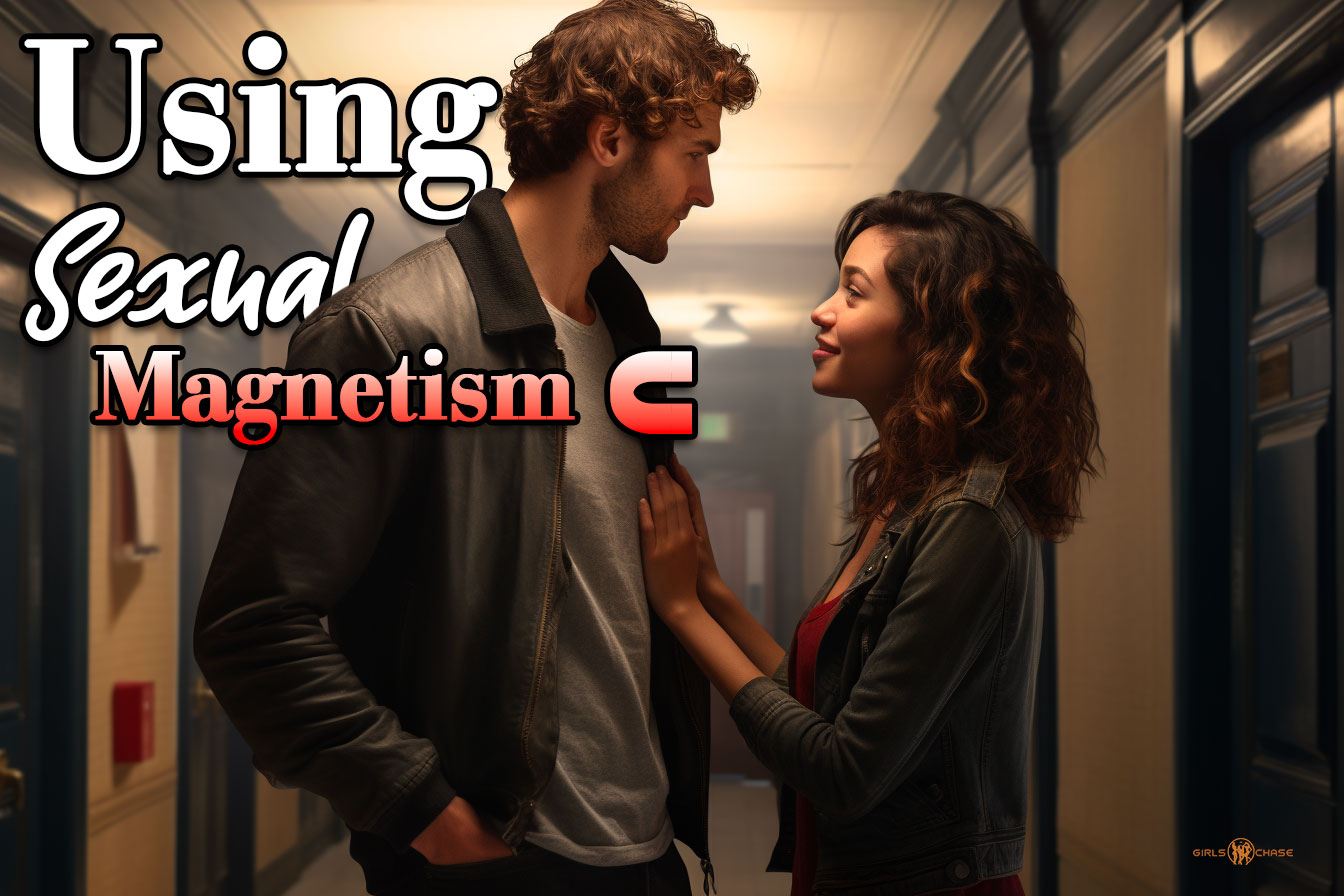
Tactics Tuesdays: Using Sexual Magnetism with Girls

using sexual magnetism with girlsSome men just ooze powerful sexual magnetism. But what is sexual magnetism? How did they get it? The secret is 3 key aspects – but you’ve got to be a bit of a “seduction pro” first.

This article presupposes you already have solid fundamentals and game. Basically, you are intermediate at least – and probably closer to advanced (or actually advanced). If you’re not there yet, feel free to read it still, but don’t worry if you can’t pull this one off yet – you can come back to it later once your game and attractive qualities are more on-lock.

A forum member named Jeff recently asked about how to convey sexual state to girls the way his highly skilled natural friend does. In other words, how to use sexual magnetism.

About this friend, Jeff says:

I have a friend who's been hitting the field for over 10 years.

Dude's a pro - having racked up easily over 500 lays, and between 100-150 in 2019.

Recently, he told me he moved to a new house (in Delhi, India where he's living) and there's a girl on the first floor (while he's on the fourth).

He ran into her while moving some stuff and all he did was have a 2 minute back and forth with the girl without doing anything fancy, and she was ON him - suggesting they should catch up, party, get a drink, etc.

...all the while being married, with her husband downstairs in the house they're sharing.

I was curious as to what he did to elicit such desire.

By that, I mean -

- Girls text him as opposed to him having to do all the work (of course he texts them, but he barely has to do anything)
- Falling all over him in the club within a few minutes of meeting
- Girls throwing attraction signals at him (like the time he was dancing at a dance workshop and everyone wanted to know who he was)

I, on the other hand, still have work way too hard, probably relying on my verbals a lot more than he does.

Sexual magnetism is an interesting topic. It’s a subset of charisma (which I’ve devoted an entire course to, as well as a series of charismatic breakdowns on Hollywood figures, and a set of beginner’s and pro’s guides to charisma that many guys found helpful)… but rather than focus on general charisma, it zeroes in on the sexual variety.

I gave a quick response on the forum thread, but I want to expand upon that a bit here in an article on what sexual magnetism is and how you can convey it.


40 Bad Signs You’re About to Get Dumped & What You Must Do ASAP!

Wondering what are the signs that you’re about to get dumped? Here’s how to read the good and bad signs, and the immediate steps you MUST take to repair it.

signs that you're about to get dumped

Can anyone even read the sneaky signs you’re about to get dumped?!

Well, have you ever had that nagging feeling in the pit of your stomach that something is just… off? It’s like your internal alarms are blaring, but you can’t pinpoint the danger. It’s not the adrenaline rush of narrowly missing a step on the stairs or the jitters before a big presentation.

No, this is subtler, and it’s tied to the whispers of your heart — or rather, the silent treatment it’s getting from your significant other.

We’ve all been there, feeling the tectonic plates of our love life shifting ever so slightly, signaling that a relationship quake might be on the horizon.

This feature isn’t a crystal ball, nor is it a guide to becoming a relationship psychic. Instead, it’s your friendly neighborhood heads-up. We’re about to embark on a journey through the signs that you’re about to get dumped. [Read: Bored in a relationship: 78 signs, reasons and ways to make it fun ASAP]

But before you spiral into a frenzy of worry, let’s clarify our mission: This is about empowerment. Knowledge, they say, is power, and in the landscape of love, it’s your best defense against the blindside of a breakup.

So, let’s delve into the psychology of relationship rifts — those subtle shifts in behavior and patterns that might indicate your love story is heading for a plot twist.

Understanding these signs is not about fostering paranoia. It’s about giving you the tools to navigate the sometimes murky waters of romance with confidence.

Because, let’s face it, sometimes the writing is on the wall, and it’s better to read it than to pretend it’s just a decorative mural. [Read: 21 honest reasons why your relationship is drifting and why it happens to all of us]

The Psychology of Pre-Dump Dynamics

Before we dive into the nitty-gritty of the signs that you’re about to get dumped, let’s set the stage with a little psychological scene-setting.

Understanding the emotional backdrop against which these signs play out can give us not just clarity, but also a roadmap for navigating what comes next.

Enter Attachment Theory, a psychological model that paints a picture of how we form emotional bonds with others. It suggests that our earliest attachments with caregivers shape our expectations for love and connection throughout life. [Read: Attachment styles theory: Types and signs & ways you attach to others]

As the curtain rises on the potential final act of a relationship, those with secure attachments might face the music with a sense of resilience.

In contrast, those with insecure attachments could exhibit behaviors like clinginess or aloofness as a prelude to the end.

Dr. John Gottman’s Four Horsemen of the Apocalypse loom ominously on the relationship horizon, signaling trouble.

When criticism becomes a daily dialogue, contempt takes the stage, defensiveness becomes the standard response, and stonewalling enters the scene, they’re not just red flags; they’re the signs that you’re about to get dumped, lit up in neon.

Lastly, cognitive dissonance is that uncomfortable tension that arises when there’s a mismatch between what we believe and how we act.

When a partner’s words say “forever,” but their actions scream “not much longer,” it’s a psychological heads-up. This dissonance can be one of the signs that you’re about to get dumped, urging you to prepare for a solo journey ahead. [Read: 25 sad signs he doesn’t love you anymore & is just messing with you]

Unmistakable Signs You Might Be Heading to Splitsville

Let’s get straight to the point. Recognizing the signs that you’re about to get dumped can be crucial in preparing for what may come next. Let’s delve into these signs with a clear, straightforward approach.

1. Change in Communication Patterns

One of the most noticeable signs that you’re about to get dumped is a stark change in how your partner communicates with you. This could range from reduced frequency of texts and calls to a noticeable shift to more impersonal, brief responses.

Ghosting, or the sudden and complete halt of communication, is an extreme but sadly common example. These changes often indicate a distancing, a sign that your partner is mentally checking out of the relationship.

2. Affection Drought

Affection is the lifeblood of intimacy in a relationship. A significant decrease in physical affection, like less hand-holding, fewer cuddles, or a reluctance for close contact, can be a red flag. [Read: Falling out of love: Why it happens, reasons & 35 signs to see it ASAP]

The absence of endearing nicknames or terms of affection that were once common can also be indicative. When hugs become more formal and less heartfelt, it’s often a sign that emotional warmth is waning, possibly signaling that a breakup is on the horizon.

3. Lack of Conflict Resolution Efforts

Do conflicts in your relationship remain unresolved more often than not? A relationship’s health is often gauged by how conflicts are handled.

If your partner shows little interest in resolving disagreements or ignores issues, it’s a concerning sign. This lack of effort to address and solve problems reflects a diminishing investment in the relationship’s future.

When conflicts are left unresolved and ignored, it often indicates a withdrawal from the relationship. [Read: Fear of confrontation: What it is, how it feels & 23 secrets to overcome it]

4. Avoidance Tactics

When a partner suddenly seems perpetually busy, it could be more than just a packed schedule. An increased focus on individual activities or hobbies, especially those that don’t include you, can be a sign.

This shift often points to a desire for more space and less shared time, hinting at deeper issues in the relationship. It’s not just about being busy, it’s about the intentional creation of distance, which can be a precursor to a breakup.

5. Your Partner is Making Significant Life Changes Solo

How does your partner approach major life decisions like relocating or job changes? When these decisions, which typically involve mutual discussion, are made independently, it signals a shift in the relationship dynamic.

This pattern of solo decision-making suggests they may be envisioning a future that doesn’t include you and is often a prelude and a clear sign that you’re about to get dumped. [Read: The spark in a relationship: 20 reasons why it’s gone and secrets to bring it back]

6. Plan Cancellations

When a partner frequently cancels plans without adequate explanations, it may signal a deeper issue of detachment. This recurring pattern of avoiding commitments to spend time together is a crucial indicator in relationships, reflecting a possible decline in interest and investment.

Psychologically, this behavior can be understood as an avoidance tactic, often used when someone is contemplating distancing themselves from a relationship. [Read: Does he or doesn’t he see a future with you? 30 signs to read him]

7. The ‘Drop in We’s’

Language often reflects our inner thoughts and feelings. A shift from using ‘we’ to ‘I’ in conversations can be quite telling. This linguistic change can indicate a subconscious move towards individuality over partnership.

It’s a subtle but telling sign that your partner may be envisioning a future that’s less about ‘us’ and more about ‘me’, often a precursor to announcing the end of the relationship.

8. You Don’t Know Where They Are and Can’t Reach Them When Needed

A glaring sign that you’re about to get dumped is when your partner becomes consistently unreachable. This isn’t about the occasional missed call or delayed response, but a persistent pattern of unavailability.

When you’re left wondering about their whereabouts with no reasonable explanation, it breeds mistrust and anxiety. [Read: Relationship without trust: Can *or should* it last?]

9. The Relationship is Stagnant

A stagnant relationship, characterized by a lack of joint growth and evolution, often foreshadows its potential demise *aka one of the signs that you’re about to get dumped*.

This stagnation reflects the concept of relational entropy, a psychological phenomenon where relationships degrade over time due to a lack of active maintenance and new experiences.

When couples find themselves entrenched in unchanging routines and diminishing enthusiasm, it’s an indication of declining relational energy, potentially leading to a breakup.

10. Picking Fights for No Apparent Reason

An increase in unnecessary arguments can be one of the signs that you’re about to get dumped. When trivial matters escalate into conflicts frequently, it’s often a manifestation of underlying dissatisfaction.

These fights can be a way of expressing frustration or creating a rationale for ending the relationship, indicating deeper issues at play. [Read: Are relationship fights normal? Signs you’re fighting too often]

11. Unresolved Fights

Persistent unresolved conflicts are a significant concern in relationships. When arguments are left hanging without resolution or understanding, it creates a breeding ground for resentment

This ongoing tension can erode the foundation of the relationship, often leading to a breakup as frustrations accumulate without resolution.

12. Asking for Something One of You Can’t Give

When a partner consistently seeks something from the relationship that the other cannot provide, it sets the stage for disappointment and dissatisfaction

This could range from emotional needs to differing life goals. The realization that these needs are unmet can lead to a reevaluation of the relationship’s viability, often culminating in a breakup.

13. Lack of Excitement for Each Other’s Accomplishments

A subtle yet telling sign is when partners no longer show enthusiasm for each other’s successes. Celebrating achievements together strengthens bonds.

When this excitement fades, and accomplishments go unnoticed or unappreciated, it reflects a disconnection that can hint at a relationship in decline. [Read: 17 signs of a supportive partner who encourages you and your goals]

14. They Seem Happier Without You

Have you noticed your partner seems more at ease and joyful in situations away from you? This contrast might suggest they are finding more fulfillment outside the relationship, a worrying sign.

A partner’s increased happiness in separate activities can indicate a shift in emotional investment—a classic sign that you’re about to get dumped.

Such a shift, where they derive more joy from other aspects of life than from being with you, often foreshadows potential relationship troubles. This could be an indication that they are slowly moving towards ending the relationship.

15. Fading Future Plans

Notice if discussions about your shared future are becoming less frequent or have stopped. When plans that were once made with excitement are now put on hold or forgotten, it reflects a change in how your partner views the relationship.

This reduction in future-oriented conversations can signal a decrease in their commitment. It’s an important sign that they might be reconsidering the relationship’s long-term viability. [Read: 39 signs a man is emotionally attached to you and ready to get closer]

16. Decreased Physical Intimacy

Consider whether there has been a significant and prolonged reduction in physical intimacy in your relationship. A decrease in physical closeness is often linked to emotional distancing, a principle grounded in relationship psychology.

This pattern is a prevalent sign that you’re about to get dumped, as it reflects deeper issues in the relationship. [Read: Monkey branching: What it is and 33 signs you’re being branched for someone else]

17. Your Friends and Family Notice Changes

Sometimes, friends and family can observe changes in your relationship that you might miss. When these close individuals express concerns about your partner’s behavior or the state of your relationship, it’s worth considering their observations.

An external perspective can offer valuable insights, and they might notice signs that you’re about to get dumped. Heed their observations, as they often see the bigger picture that you might be too close to see.

18. Emotional Withdrawal

When a partner begins to emotionally withdraw, it’s a significant red flag. This withdrawal can manifest as being less open about their feelings, showing indifference, or becoming emotionally distant.

Such behavior suggests a reduction in their emotional commitment to the relationship. This type of withdrawal, indicative of a psychological disconnection, is often a precursor to the relationship ending. [Read: 34 signs, why we feel disconnected in a relationship & ways to reconnect]

19. Constantly Feeling Insecure in the Relationship

If you’re constantly feeling insecure, ask yourself whether these feelings are grounded in the relationship’s dynamics. [Read: Insecurity in a relationship: 34 signs & secrets to feel secure and love better]

Persistent insecurity often reflects real issues and can be an intuitive response to the signs that you’re about to get dumped. Recognizing these feelings as valid can be crucial in addressing underlying relationship problems.

20. Trusting Your Instinct

Your own intuition is a powerful indicator of relationship health. If you feel something is amiss, it’s important to trust that instinct.

Often, our gut feelings can detect subtle relationship dynamics that our conscious mind overlooks. If your instinct is signaling that something is off, it may be an indication of underlying issues, possibly suggesting that a breakup is approaching.

Signs You’re NOT About to Get Dumped

It’s just as important to recognize the signs that things are going well in a relationship, helping to alleviate unnecessary worries.

This section will focus on the indicators that suggest your relationship is on solid ground, and you might just be overthinking. Let’s get into it:

1. Consistent Communication

In relationships, consistent and open communication is not just beneficial; it’s essential. Engaging in meaningful conversations, sharing daily experiences, and discussing future aspirations are positive signs.

Such communication patterns are crucial for relationship health, as they demonstrate mutual interest and commitment, effectively countering any suggestion that you’re about to get dumped. [Read: 42 secrets to communicate better in a relationship & ways to fix a lack of it]

2. Planning for the Future Together

When you and your partner are excitedly sketching out your future together, it’s like building a dream team for life’s adventures.

This kind of joint future-planning is a big thumbs-up for your relationship’s health. It’s a vibrant sign of commitment and togetherness, often missing when things are going south. So, if you’re making plans together, it’s a good bet that worries about a breakup are off the table.

3. Shared Laughter and Joy

The presence of laughter and shared joy acts as a barometer of relationship health. When you and your partner frequently find joy in each other’s company and create happy memories, it’s indicative of a strong emotional connection.

Psychologists often highlight shared positive experiences as foundational to relationship resilience, a clear indication that signs you’re about to get dumped may not be present.

4. Showing Interest in Each Other’s Hobbies and Passions

There’s something really special about a partner who cheers you on at your pottery class or claps the loudest at your karaoke nights.

When both of you take time to dive into each other’s passions, it’s not just fun – it’s a sign of deep care and respect. This mutual curiosity and support weave a stronger bond in your relationship, and it’s definitely a sign that things are going pretty great. [Read: Does he or doesn’t he see a future with you? 30 signs to read his mind]

5. Mutual Support and Encouragement

If your relationship is characterized by mutual support and encouragement, it’s a positive sign. This reciprocal support, where both partners feel empowered and valued, indicates a robust partnership.

It’s a relationship dynamic that psychologists associate with healthy, long-term relationships, standing in stark contrast to signs that you’re about to get dumped.

6. Physical Affection and Intimacy

A sustained level of physical affection and intimacy is typically a sign of a healthy relationship. Continuing to enjoy physical closeness, whether through affectionate touch or more intimate moments, often reflects a parallel emotional closeness.

This aspect of a relationship, crucial for maintaining a strong bond, suggests that the signs you’re about to get dumped may not be a concern. [Read: Intimacy issues: What it looks like, 39 signs, causes & tips to date with it]

7. Trust and Security

Feeling that rock-solid trust in your relationship? It’s like having a comfy safety net underneath your high-wire act.

This trust is foundational, and when it’s strong, it makes your relationship feel secure and unshakeable. It’s a clear sign that your partnership is on a steady path. [Read: 37 signs she’s very serious about you and wants an exclusive relationship]

8. Involvement in Each Other’s Lives

Active involvement in each other’s lives, from family events to social gatherings, is a positive indicator. Engaging in each other’s interests is a concept supported by the Social Exchange Theory in psychology, which suggests that shared activities increase relationship satisfaction and longevity.

This mutual engagement is seen as an investment in the relationship’s emotional bank account, strengthening the bond between partners.

When couples actively participate in each other’s hobbies, it enhances their connection and intimacy, serving as a buffer against relationship decline and reducing the likelihood of being dumped.

9. Resolving Conflicts Constructively

The ability to effectively and healthily resolve conflicts is a hallmark of a mature relationship. Successfully navigating disagreements, understanding each other’s perspectives, and finding resolutions reflect strong communication and problem-solving skills.

These attributes are essential for the durability of a relationship and are typically absent in situations where signs that you’re about to get dumped are evident. [Read: Why fighting in a relationship is important & how to do it right]

10. Expressions of Love and Affirmation

Frequent expressions of love and appreciation are critical for maintaining a strong relationship bond. When your partner regularly affirms their feelings for you through words and actions, it strengthens the relationship.

This consistent affirmation, as psychological studies suggest, plays a vital role in relationship satisfaction and stability, contrasting with signs that you’re about to get dumped. [Read: How to express love: Ways to share love without using words]

The Preemptive Strike – What to Do If You Spot the Signs

Okay, so you’ve noticed the signs and feel that a relationship storm might be brewing. It’s like standing on the shoreline, watching the waves of change roll in.

This isn’t the time for panic; instead, it’s a moment for a well-thought-out strategy — a preemptive strike, if you will.

1. Confrontation vs. Conversation

When you notice the signs, it’s crucial to approach the situation with a mindset geared towards conversation rather than confrontation.

Initiating a dialogue about where your relationship is heading can provide clarity. Approach this talk with an open heart and a mind free from preconceived notions.

The goal is to communicate your concerns and feelings without making accusations, which allows for a more productive and less defensive discussion.

2. Self-Reflection

Recognizing these signs is also an opportunity for personal introspection. Take some time to reflect on your feelings, needs, and desires within the relationship. [Read: 25 honest, self-reflection questions to recognize the real YOU inside]

Consider your attachment style and how it may influence your interpretation of your partner’s behavior. Understanding your emotional responses and needs can help you approach the situation more objectively and understand what you’re looking for in the relationship.

3. Seek Understanding, Not Blame

In discussions, aim to understand your partner’s perspective without jumping to blame. Use empathic communication techniques, such as active listening and open-ended questions, to truly grasp their feelings and viewpoints.

This approach fosters a safer environment for open, honest communication and can lead to mutual understanding, even if the outcome is a breakup.

4. Discussing Changes and Concerns

Openly discuss any changes you’ve noticed in the relationship. Be specific about the signs that concern you, and ask your partner for their perspective.

This discussion can shed light on whether these changes are temporary or indicative of deeper issues, helping both of you understand the relationship’s current state.

5. Evaluate Relationship Goals and Compatibility

Use this time to evaluate your relationship goals and compatibility. Are your life visions and values still aligned?

Discussing long-term goals and aspirations can help determine if the relationship still has a mutually satisfying path forward. [Read: Relationship compatibility: What it is, 40 signs you have it & ways to improve it]

6. Seeking Professional Help

If you’re struggling to navigate these challenges, consider seeking professional help. Couples counseling or individual therapy can provide guidance and tools for dealing with relationship issues.

A therapist can offer an unbiased perspective and help in addressing underlying problems.

7. Building Emotional Resilience

Prepare yourself emotionally for all possible outcomes. Whether the relationship survives or ends, building resilience will help you cope with the situation.

This involves accepting your emotions, practicing self-care, and reminding yourself of your strengths and capabilities.

8. Consider Taking a Break

Sometimes, taking a short break from the relationship can provide necessary space and perspective. This doesn’t have to mean a breakup but can be a period of reflection and individual growth.

It’s important to set clear boundaries and expectations for this break to be effective.

9. Communication of Needs and Boundaries

Clearly communicate your needs and boundaries in the relationship. It’s important for your partner to understand what you require to feel secure and valued.

This conversation can also help you understand if these needs can be met within the current relationship dynamics. [Read: 23 secrets to set personal boundaries & guide others to respect them]

10. Preparing for Possible Outcomes

Finally, mentally prepare yourself for possible outcomes, including the end of the relationship. Consider how you would handle a breakup, including practical considerations like living arrangements and shared responsibilities.

This isn’t about expecting the worst, but about being ready to handle changes in your relationship status with resilience and dignity.

Whatever Happens, You’ve Got This!

Facing the unexpected end of a relationship can be deeply painful. Trusting your gut and keeping an eye out for these indicators can help you see what’s coming.

If a breakup does seem inevitable, the best approach is to mentally prepare yourself – it can help ease the impact. And hey, remember, if it happens, it’s not necessarily about you or them; sometimes, it’s just the way things unfold. And that’s perfectly okay.

[Read: Committed relationship: 59 signs and ways to show your commitment in love]

Life’s about learning, growing, and moving forward – with or without someone. Keep an eye out for the signs that you’re about to get dumped, and remember, whatever happens, you’ve got this!

The post 40 Bad Signs You’re About to Get Dumped & What You Must Do ASAP! is the original content of LovePanky - Your Guide to Better Love and Relationships.



Do Long Distance Relationships Work? 48 Truths to Know if It’ll Work or Not

Do long distance relationships work? Here’s the science, psychology and where it does work for a couple, and the scenarios when it just won’t work at all!

do long distance relationships work

You might be wondering if long distance relationships work. It could be because your beau just jetted off to the other side of the world, and all of a sudden, your mind starts hosting its own soap opera.

You envision romantic dinners—sans you—and imagine them discovering a new ‘soulmate’ at every coffee shop they visit.

Now you can’t help but wonder, ‘Do long-distance relationships really work, or am I just holding onto a Wi-Fi signal for dear love?’

Good news, you’re not alone! Long-distance relationships *or LDRs, for those of us who love an acronym* are more common than you might think, especially in our hyper-connected yet physically distant world.

Sure, we have Zoom, FaceTime, and—brace yourself—actual phone calls, but does virtual ‘I miss you’ carry the same weight as an in-person cuddle? Let’s dig in and find out. [Read: 150 Warm, classic, quirky and sweet long distance relationship love quotes]

The Science of Long-Distance Love

Ready for a reality check that’s actually encouraging? According to a study from the Journal of Communication, some long-distance couples form even stronger bonds than those who live near each other.

Yep, you read that right! But before you start planning your Skype-based future, let’s dig into the psychology behind this curious phenomenon to understand better the conditions under which long-distance relationships work.

Grab your lab coats, it’s time for some relationship science! [Read: Long distance relationship boredom – 25 signs and secrets to spice the LDR up]

1. Attachment Theory

Remember those times you cried as a kid when your mom left the room? No judgment, we’ve all been there. That’s what psychologists Ainsworth and Bowlby call ‘Attachment Theory.’

It’s basically the idea that our earliest relationships set the stage for how we connect with people later in life. In a long-distance relationship, secure attachment styles can make the ‘See you later, alligator’ moments a bit easier to manage.

So, yes, sometimes it’s not just the Wi-Fi connection that keeps your love strong, but also your ‘attachment styles.’ [Read: Attachment styles theory – 4 types and 19 signs and ways you attach to others]

2. Perceived Proximity

Now, let’s talk ‘Perceived Proximity,’ a fancy term that says you can feel close even when you’re far away. Think about it.

Your partner might be catching waves in Australia while you’re shoveling snow in Minnesota, but the emotional closeness? That’s still real. A quick ‘Good morning, love’ text can feel like a warm hug, at least emotionally speaking.

Unique Challenges of Long-Distance Relationships

Okay, we’ve looked at the science, and yes, there’s hope. But hold your virtual horses, we need to get real for a second. [Read: Long distance relationship – 46 LDR tips to make it work and not screw up]

Long-distance relationships have their own set of challenges that can make even the most love-struck among us scratch our heads and wonder, ‘Do long-distance relationships work?’

Let’s pull back the curtain and explore what makes LDRs uniquely challenging.

1. Communication Barriers

The time zones, oh, the time zones! One person’s ‘Good morning’ is another’s ‘Good night.’ But beyond just timing, there’s the limitation of not having face-to-face interactions. [Read: 31 Communication exercises and games for couples ad secrets to feel closer]

Communication through texts or calls lacks the nuance of body language, which is a critical component for understanding your partner’s feelings.

2. Trust Issues

Trust is the backbone of any relationship, but in an LDR, it’s the whole skeleton. When you can’t see what the other person is doing, insecurity may sneak in, casting doubt on the relationship and making you question, ‘Do long-distance relationships work?’

In fact, jealousy and suspicions could become uninvited guests in your love life. [Read: Trust issues in a relationship – 22 whys and ways to get over it together]

3. Lack of Physical Intimacy

Let’s not kid ourselves, physical touch is important. While you can send a million heart emojis, it doesn’t compare to a real hug or even a casual touch on the arm. The lack of physical closeness can lead to emotional distance if not managed properly.

4. The Financial Strain

Visiting each other in a long-distance relationship often comes with a price tag. Those flights or road trips aren’t going to pay for themselves!

And it’s not just the money, it’s also the time and effort required to make those meetups happen. Financial stress can be a significant concern in determining if long-distance relationships work for you.[Read: How to talk about money with your partner without fighting about it]

5. Different Social Worlds

Out of sight might not mean out of mind, but it can lead to two very different social circles.

Managing your social life independently can sometimes create a sense of living separate lives, which may impact the cohesion and shared experiences that help a relationship thrive.

6. Emotional Isolation

Being in an LDR often means that when you’re going through a tough time, your partner isn’t there to offer a comforting hug or a shoulder to cry on. [Read: 28 Lonely truths about feeling alone in a relationship and how to fix it ASAP]

Emotional support through a screen has its limitations, making you sometimes feel like you’re weathering life’s storms solo.

7. Lack of Shared Experiences

You miss out on a lot of ‘couple-y’ stuff like date nights, weekend getaways, or even just binge-watching a show together.

Over time, this lack of shared experiences can create a disconnect as your life starts to lack the ‘we did this together’ stories that help a relationship grow. [Read: 34 Signs, why we feel disconnected in a relationship, and ways to reconnect]

8. Overcompensating with Communication

It sounds counterintuitive, but there is such a thing as ‘too much communication.’ Feeling obliged to report every detail of your day can lead to conversation fatigue and even create tension. Remember, it’s quality, not just quantity, that matters.

9. Misaligned Expectations

When you’re not seeing each other daily, you might build up fantastical expectations for your reunions, leading to potential disappointment. [Read: 20 Healthy expectations in a relationship that define a good love life]

Or you might expect different things from your long-distance relationship, like how often you’ll visit each other, further complicating the question of whether long-distance relationships work.

10. Inability to Resolve Conflicts Face-to-Face

Resolving conflicts is challenging in any relationship but doing it over text or a call? That’s next-level difficult. Tone gets misunderstood, messages can be misconstrued, and sometimes you wish you could teleport just to say, ‘That’s not what I meant!’

11. Keeping the Spark Alive

Long-term absence might make the heart grow fonder, but it also makes keeping the romantic spark alive trickier. [Read: 49 Ways to rekindle a relationship or marriage and spark romance with love]

Without surprise dates and spontaneous affection, relationships might turn more platonic and lose some of their romantic gusto.

12. Fear of Missing Out *FOMO*

It’s not just you, it’s also what you might be missing out on in their life. From family events to casual hangouts with friends, being physically absent for significant moments can create a sense of FOMO that’s hard to shake off.

13. Parental and Peer Opinions

Sometimes, the peanut gallery has a lot to say about your relationship choices. [Read: Helicopter parents – wat it means, 22 signs and bad effects most don’t realize]

‘Do long-distance relationships work?’ is a question you’ll hear from friends and family, and their skepticism can sometimes put added pressure on your relationship.

14. Transitioning to Close-Proximity

Believe it or not, finally closing the distance can also be a challenge. You’re going from seeing each other every ‘once in a while’ to ‘all the time,’ and that can take some serious adjustments for both of you.

15. Balancing Individual Growth and Relationship Goals

While time apart can be great for individual growth, it can also lead to outgrowing the relationship. [Read: Couple goals – 58 fake and real you MUST add to your relationship goals]

If you’re hitting the gym, getting promotions, or even just evolving your Netflix preferences, while your partner’s life remains static, it can create an imbalance that makes you wonder if you’re still compatible—and if long-distance relationships work for you in this stage of your life.

When LDRs Work

After wading through that thick fog of challenges, it’s about time we catch some rays of hope, don’t you think? Sure, we’ve all heard the stories that make us ask, ‘Do long-distance relationships work?’

But what about the ones that are less ‘cautionary tale’ and more ‘happily ever after’? So, let’s talk about what can make your LDR not just survive, but thrive. [Read: 13 signs you should end your long-distance relationship]

1. Strong Communication Skills

First up on the ‘Yes, it can work!’ list is communication, the undisputed heavyweight champion of relationship success. We’re talking about ‘Emotional Disclosure’ here, folks.

That means opening up about your feelings, fears, and dreams, creating a deeper emotional connection.

Even if your main form of communication is texting, well-articulated emotional disclosure can turn those short messages into deep, meaningful connections. [Read: 19 Ways to be a much better listener in a relationship and read their mind]

2. Trust & Emotional Security

The yin to communication’s yang is trust. For those still wondering, ‘Do long-distance relationships work?’ here’s a truth bomb—without trust, you’re fighting a losing battle.

Trust creates an emotional safety net, where you feel secure enough to be your authentic self. It’s like an anti-jealousy vaccine that makes you immune to those nasty ‘What are they doing without me?’ thoughts.

3. Flexibility & Adaptability

The ability to adapt is like the Swiss Army knife of LDRs. You can’t control time zones or unplanned life events, but you can control how you react to them. [Read: 41 Rules, signs, and ways to take a break in a relationship and how to plan for it]

A flexible mindset can turn logistical nightmares into problem-solving quests and keep the question of whether long-distance relationships work at bay.

4. Common Future Goals

It’s like aiming your emotional GPS towards the same destination. If you both have a clear understanding of where you see the relationship going, it makes the struggle feel worthwhile. A shared vision can fuel your relationship’s long-term engines.

5. Quality Time Over Quantity

Okay, your FaceTime sessions may be fewer than you’d like, but make them count. Long-distance doesn’t have to mean emotionally distant. [Read: 60 Best free date ideas to have a romantic time without spending any money]

High-quality interactions where you’re both fully present can pack more punch than daily catch-up sessions that turn into routine check-ins.

6. Independent Streaks

A little counterintuitive, but hear me out. Long-distance relationships work best when both partners have their own lives, hobbies, and social circles.

It’s not just ‘you complete me’ but more like ‘you complement me,’ turning time apart into an opportunity for personal growth. [Read: Alone time – why you need it, how it helps, and how to make the most of it]

7. Financial Stability

Money isn’t everything, but it sure helps when navigating a long-distance relationship. Regular visits, phone bills, and even future plans to close the distance all require financial resources.

A stable financial situation provides the means to support the emotional and logistical aspects of the relationship, further helping to answer the lingering question: do long-distance relationships work?

8. Emotional Intelligence

Understanding not just your emotions but your partner’s as well can significantly affect the success rate of long-distance relationships. [Read: 20 Signs of emotional maturity and traits that reveal a mature mind]

Emotional intelligence allows couples to navigate complex feelings and communicate more effectively. This is critical for diffusing conflicts and maintaining a healthy emotional connection from afar.

9. Active Listening Skills

Active listening goes beyond hearing; it’s about understanding and providing feedback. In long-distance relationships, it’s often the quality of conversations that make or break the bond.

By actively listening, you can better understand your partner’s needs and concerns, providing a richer, more intimate communication experience. [Read: 42 Secrets to communicate better in a relationship and ways to fix a lack of it]

10. Regular Visits

Nothing beats physical presence. In a long-distance relationship, making time for regular visits can work wonders for emotional well-being.

These visits serve as mini-vacations and offer a break from the routine of distance, rejuvenating the relationship and making the concept of long-distance relationships work more feasible.

11. Mutual Respect for Time and Space

While spending time together, even virtually, is crucial, respecting each other’s need for individual space is equally important. [Read: How to be emotionally independent and stop using others for happiness]

This mutual respect helps maintain a balanced relationship, where neither feels suffocated nor neglected.

12. Openness to Professional Help

Let’s face it, sometimes love alone isn’t enough.

Being open to seeking professional guidance through couples’ counseling can provide tools to better your relationship. It shows a level of maturity and commitment toward making long-distance relationships work.

13. Commitment to Personal Growth

A relationship is made up of two individuals, and personal growth for each makes the relationship stronger. [Read: 28 Self-improvement secrets to improve yourself and transform into your best self]

Engaging in activities that foster personal development can create a more enriching life for each partner, which in turn enriches the relationship.

14. Effective Conflict Resolution

Disagreements are bound to happen, but it’s how you handle them that counts. Effective conflict resolution strategies, like fair fighting rules or time-outs to cool off, can be particularly valuable when you can’t sort it out face-to-face.

15. Prioritizing the Relationship

Making each other a priority can often tip the scales in favor of making a long-distance relationship work. [Read: Never make someone a priority when you’re only an option – the truth]

This doesn’t mean dropping everything for your partner, but rather showing through actions and words that the relationship holds significant value in your life.

Whether it’s planning visits, making time for calls, or even just sending good morning texts, these small acts collectively convey a big message: you’re worth it, and so is the relationship.

When Long-Distance Relationships Won’t Work

We’ve gone through the wonders of when long-distance relationships do work, but now it’s time for some real talk. [Read: 20 Baby steps to be single after a long relationship, start over, and feel fulfilled]

It’s the other side of the coin that we need to examine to make an informed decision about whether long-distance relationships work for us.

1. Lack of Open & Honest Communication

One of the biggest red flags is poor communication, particularly what psychology experts call “Ambiguity Tolerance.” In a long-distance relationship, ambiguity can lead to misunderstandings, fostering insecurities and mistrust.

When partners aren’t straightforward about their needs or concerns, it’s like navigating through fog without headlights. [Read: 34 Secrets to get a man to open up, communicate, and understand you better]

2. Mismatched Expectations

Now, let’s talk about “Social Exchange Theory.” This psychology term gets at how uneven investment in a relationship can make things go south. If one partner is sending love letters daily while the other can’t even bother to text back, dissatisfaction is bound to happen.

3. Financial Constraints

We hate to be the bearers of bad news, but love can’t always foot the bill.

Long-distance relationships come with expenses like travel, and if finances are tight, it adds stress and limits opportunities to see each other. [Read: What to do if your partner makes less money than you]

This financial burden can sometimes be enough to question whether long-distance relationships work.

4. Inability to Handle Stress & Emotional Toll

Let’s get academic for a moment and bring in the term “Emotional Regulation.” The lack of this psychological skill can make any relationship crumble, but in a long-distance relationship, it’s even more crucial.

Without the ability to manage stress and emotional highs and lows, sustaining a long-distance relationship becomes a Herculean task. [Read: Push and pull relationship – 32 signs and truths to unravel love’s tug of war]

5. Impatience

The journey of a long-distance relationship is not for those who are impatient. The delays in seeing each other, time zones affecting communication, and long waits for the next meet-up can turn an impatient person into a ticking time bomb of frustration.

6. Incompatibility in Life Goals

You may love each other now, but what about the future? If one sees kids, marriage, and a house in the country, while the other imagines a life of travel and career focus, these conflicting life goals could be the elephant in the room nobody wants to address.

7. Fear of Commitment

If either partner has a fear of commitment, that’s more than just a red flag; it’s a stop sign. [Read: Fear of commitment – 47 signs, whys, and ways to get over your phobia]

Long-distance requires an extra layer of commitment that some people aren’t prepared to give, making it nearly impossible for long-distance relationships to work.

8. Trust Issues

If there’s even a shadow of doubt in your trust for one another, a long-distance relationship might be rocky terrain.

Trust is the foundation of any relationship, and without it, the question of “do long-distance relationships work?” becomes rhetorical. [Read: I have trust issues – 18 baby steps to start dating and open your heart to love]

In the context of “Attachment Theory,” a secure base is vital, and trust issues can undermine that foundation.

9. Emotional Unavailability

Being emotionally unavailable can be a death sentence for long-distance relationships. Emotional connections are the lifeblood of LDRs, and if one or both partners are emotionally distant, the relationship can quickly wither on the vine.

10. Poor Time Management

Long-distance relationships demand excellent time management skills. [Read: How to be an adult – 27 mature ways to grow up and behave like it]

Lack of proper planning can lead to missed calls, forgotten dates, and general neglect, ultimately throwing a wrench in the gears of the relationship.

11. Selfishness

In any relationship, but particularly in long-distance ones, both parties must be willing to make sacrifices. Selfish behavior, where one prioritizes their needs over the other’s consistently, makes it difficult for a long-distance relationship to survive.

12. Lack of Shared Interests

While opposites can attract, having some shared interests fosters a deeper connection. [Read: Do opposites attract or push each other away?]

A complete lack of shared interests can mean you run out of things to talk about, making each call or chat feel like pulling teeth.

13. Unresolved Past Issues

If old wounds haven’t been fully healed or past issues resolved, they can fester and become significant obstacles. These unresolved issues can create a breeding ground for arguments and make emotional closeness challenging.

14. Not Tech-Savvy

In the modern world, not being comfortable with technology can actually be a hurdle in long-distance relationships. [Read: Social media and relationships – 47 rules, etiquette, and where couples go wrong]

Not knowing how to video call or frequently losing chats can become frustrating and impede communication.

15. Unrealistic Expectations

Often fueled by rom-coms or idealistic views, unrealistic expectations can set the relationship up for failure. When the reality can’t meet these fantasy standards, disappointment is inevitable.

16. Pre-emptive Pessimism

Starting a long-distance relationship while already believing it won’t work is like entering a marathon with the conviction you won’t finish. [Read: 45 Secrets to be more positive and fill your mind with positive emotions 24/7]

This defeatist attitude can create a self-fulfilling prophecy, affecting your behavior and choices, and ultimately leading to the very failure you anticipated.

In psychology, this relates to “Expectancy Theory,” where your expectations directly influence your outcomes.

Final Thoughts

Love is a complex beast, and let’s face it, there are no guarantees in any relationship—near or far.

What we do have is the willingness to try, to really give it a shot. Because the true magic lies not just in being loved, but in loving someone so much that you’re willing to brave the distance, time zones, and even dodgy Wi-Fi connections.

[Read: Uncertainty in a relationship – what it feels like, causes, and 32 ways to fix it]

So, do long-distance relationships work? And is it worth it? That’s a question only you can answer, with your own unique relationship as your guide. Only the two of you can tell.

The post Do Long Distance Relationships Work? 48 Truths to Know if It’ll Work or Not is the original content of LovePanky - Your Guide to Better Love and Relationships.



Monday, 4 December 2023

Study: Being Alpha Is Not Enough. Being Alpha + Prosocial Is

alpha is not enoughBeing an alpha male is supposed to get you girls. Right? So why are so many “alphas” dating fat girls – or alone? It’s because “being alpha” is NOT enough!

Way back in the 2000-naughts, the seduction community talked frequently about “alpha males” as obstacles to overcome when picking up. These alpha male guys – the top dogs of mixed male and female groups pick up artists would approach – had to be dealt with properly if you wanted to take up a girl from their groups.

Somewhere in the late 2000-naughts, the idea of “alpha males” got picked up by the nascent manosphere. Except, rather than alpha males being obstacles you had to overcome to get the girl, alpha males transmogrified into heroic exemplars of whom you should aim to become yourself to excel with women and in life.

I did my best to try to stem the tide of this trend even as early as mid-2011, but growth of “alpha male mentality” was inexorable at that point. Today it’s accepted wisdom among a plurality (perhaps even a majority) of Western men that “you’ve got to be alpha” if you want to succeed socially, in business, and in love.

There’s just one problem: plenty of “alpha males” barely get laid, make little money, and have few decent friends. How do we explain this?

To understand it, we have to go back to before the alpha male craze began – back a few decades, in fact, to a study conducted in 1995.


Saturday, 2 December 2023

Tell Her You Can Last All Night: The APE Sex Talk Gambit

sex talk gambit: premature ejaculationCan you turn girls on and communicate you don’t cum early – without sounding like you’re bragging? With this unique sex talk gambit, you absolutely can.

Hey guys and welcome back.

After discussions with forum members on the chat, I’ve been asked to share one of my gambits.

If you did not know, we have a forum with many experienced players (including those at our writer level) to discuss and ask questions for free. The forum has a great culture and has one of the best newbie/veteran ratios online. In addition, we have a live chat!

A recent chat discussed premature ejaculation and how to avoid it. Some asked how I deal with this. I mentioned a technique conveying sexual experience while being a good lover. Most women do not want a man who ejaculates quickly, as they usually take longer to orgasm than men.

This gambit is from a long-ago post of mine about tackling premature ejaculation. The trick works well and has assisted me greatly over the years, although I do not have this problem.

The idea is to tell her you can last a long time without appearing that you are bragging. Not cumming fast is a bit like saying you have a big dick, if you see what I mean. (On that note, a normal-sized penis is ideal.)

How do you do this? You convey to women that you are not a quick cummer (without explicitly saying it) and are a guy who lasts for a while in bed. You offer an explanation that “makes sense” for why that is. More importantly, the reason for you lasting so long is not because you are a sexy Superman (which would be bragging), but it’s because you know a simple trick to make sex last longer. I go through this trick here: How to Stop Premature Ejaculation – Proven Tips from a Pickup Artist.

I want to be clear that lasting all night is not necessarily ideal. It is easy to believe that because we, as men, know that premature ejaculation is unsexy, we quickly assume that the opposite must be sexy. Well, it is, but it can go too far. If you never ejaculate, she may become self-conscious: “Why is he not ejaculating?” “Is there something wrong with me?” Her worries arise because most guys tend to ejaculate rather quickly during intercourse, and many do it faster than she hoped.

I will briefly recap the anti-premature ejaculation (APE) trick and then show you can convert this knowledge into a sex talk gambit.


How To Propose Blogger Template by Ipietoon Blogger Template